
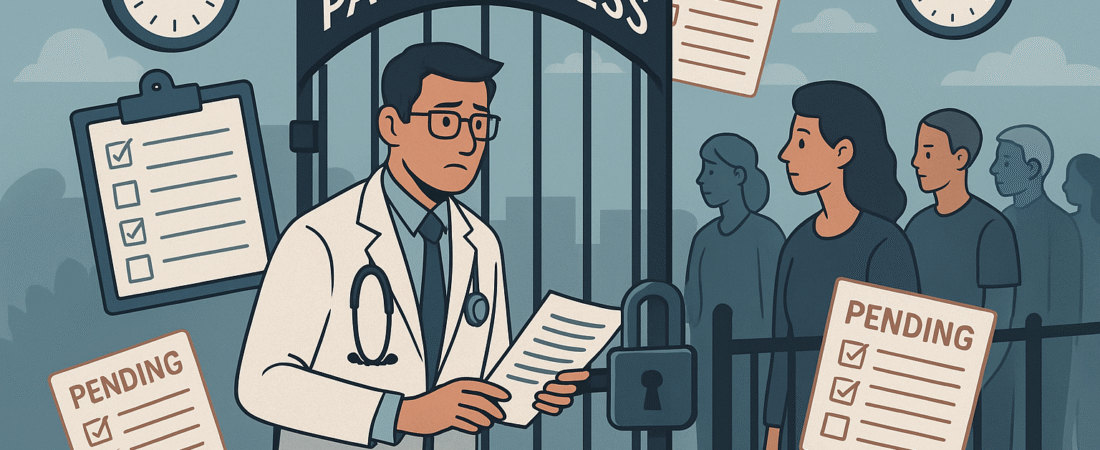
Credentialing is often treated as a standalone task—an administrative checklist that simply needs to be completed before a provider can see patients. But this mindset underestimates the far-reaching consequences of getting it wrong. When credentialing delays occur, the impact ripples downstream: denied claims, unbilled visits, and mounting frustration for patients and staff alike.
More Than Just a Start Date Problem:
Too many healthcare organizations discover credentialing issues only after claims start bouncing back. A provider may begin seeing patients while “in process,” assuming backbilling will occur once contracts are finalized. But with increasingly strict payer rules and retroactive billing restrictions, this approach is risky at best—and revenue-killing at worst.
From primary source verification delays to CAQH re-attestation gaps and missing payer-specific documents, the credentialing process is filled with potential landmines. Worse, each payer has its own clock, rules, and portals—making universal oversight nearly impossible without a coordinated approach.
What’s Getting Missed:
The most common breakdowns we see in credentialing include:
- Lack of central tracking tools: Spreadsheet chaos is still real. Without a centralized system, teams lose visibility over status by payer or provider.
- Disconnected teams: Credentialing is often siloed from billing, which means reimbursement delays aren’t flagged until AR spikes.
- Passive follow-up: Payers rarely notify providers when credentialing is stuck. Without proactive check-ins, applications may sit dormant for weeks—or months.
- Poor handoffs: Once a provider is approved, delays in loading them into the EHR or billing system means services still aren’t billable.
A Better Way to Think About Credentialing:
Credentialing isn’t just a startup task—it’s a core revenue cycle function. To protect your bottom line:
- Implement credentialing dashboards that track every step by provider and payer.
- Set automated reminders for follow-ups, expirations, and re-credentialing deadlines.
- Connect credentialing and billing systems so approvals trigger system updates, not manual uploads.
- Train revenue cycle staff to validate credentialing status before claims go out—not after denials come in.
How Thrive Helps Keep Revenue from Getting Stuck at the Gate:
At Thrive Revenue Cycle, we treat credentialing as an essential part of your cash flow—not an afterthought. Whether we’re creating a payer-specific tracking system, auditing handoff workflows, or helping integrate credentialing status into your billing logic, our goal is simple: prevent lost revenue before day one. For growing practices or multisite organizations, we bring structure to a process that too often falls through the cracks.
Conclusion:
Delays in credentialing may not show up in your claims dashboard—but they will show up in your bottom line. Treat it like the strategic lever it is. Because in today’s payer landscape, being “in process” just isn’t good enough.